Stretching has so many health benefits, but it depends on how you stretch and when you stretch that matters. Think of your muscle fibers like rubber bands. You don’t want to pull on a rubberband when it’s cold and rigid because they have less elasticity and will just snap. Cold & lack of movement makes tissues less stretchy. Movement and warmth fosters more blood flow which allows tissues to move with ease and lessens the risk of ‘snapping’ or causing an injury. The exception to this, is plantar fasciitis stretching which is best done upon waking. While sleeping, tissues stiffen and then movement stretches them instantly causing microtears and stabbing heel pain. A specific morning stretch can prevent this continuous trauma.
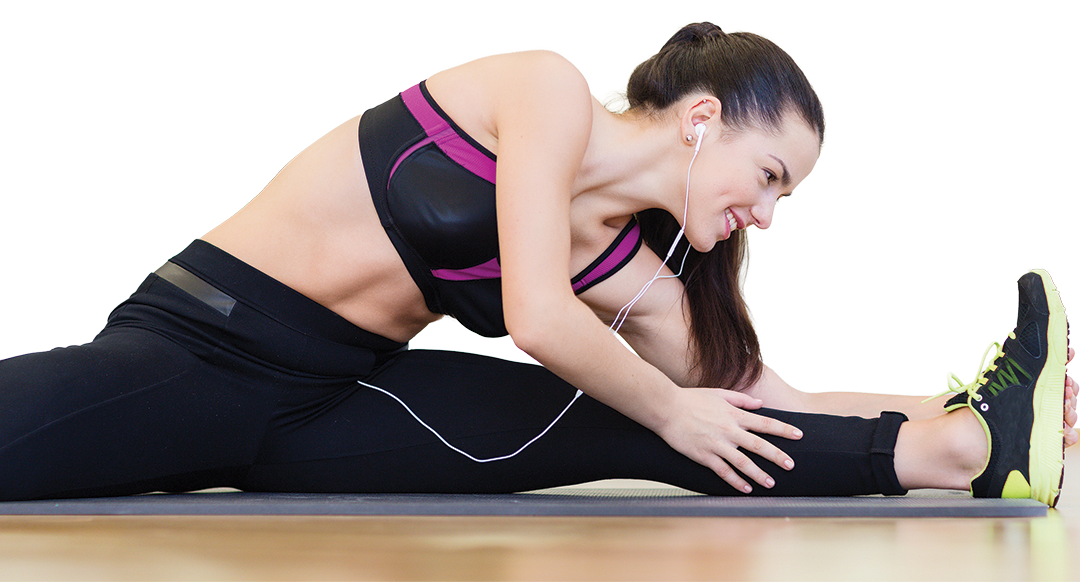
There are different types of stretching that may be beneficial before or after workouts. Dynamic stretching can be done before activity to warm up such as slow and controlled leg swings or arm circles. Static stretching is best done on warm muscles to improve flexibility and release muscle tension. Active static stretching is holding a stretch in a lengthened stationary position for 20-60 seconds such as reaching for your toes. Passive static stretching is using assistance such as a strap or professional to help stretch the muscles to the point of slight discomfort, but never pain.
Some tips include: consistency & aim for 5-10 minutes per day, repeat the stretch 2-3 times, and use controlled movements – no bouncing. Add meditation to give yourself a mental break. Use controlled breathing techniques: exhale as you stretch and inhale as you return to resting position. For back pain, consider stretching your hips. Sometimes pain stems from other body parts.
Daily stretching improves flexibility, joint range of motion, muscular blood flow, and posture. Increasing flexibility helps with performing daily tasks with ease. Movement of the joints allow synovial fluid to move freely which helps to deliver nutrients and oxygen with increased blood flow. With both increased flexibility and range of motion, the chance of injuring your muscles decreases. When muscles are tense, we can emotionally feel tense. Decrease muscle tension in your neck, shoulders and upper back and lessen the load you carry. Stretching may even decrease headaches or aid in pain reduction elsewhere. It also boosts energy levels. Increased blood flow to your muscles can reduce muscle soreness after exertion and speed up recovery time. Since muscle imbalances are the leading cause of poor posture, proper alignment can be supported with routine stretching.
Be pro-active about your health with daily stretching. You can prevent future bouts of back pain or muscle strain by strengthening muscles with a regular stretching routine. With existing conditions, you also want to be smart about how you move your body. We offer custom stretching plus personal training sessions here at Wellness Matters – always tailored to your individualized requirements. Our trained professionals offer guidance and communicate with you about your specific needs. A stretching session by a professional is really a wonderful way to learn about the limits of your body. Get informed about what your body needs!