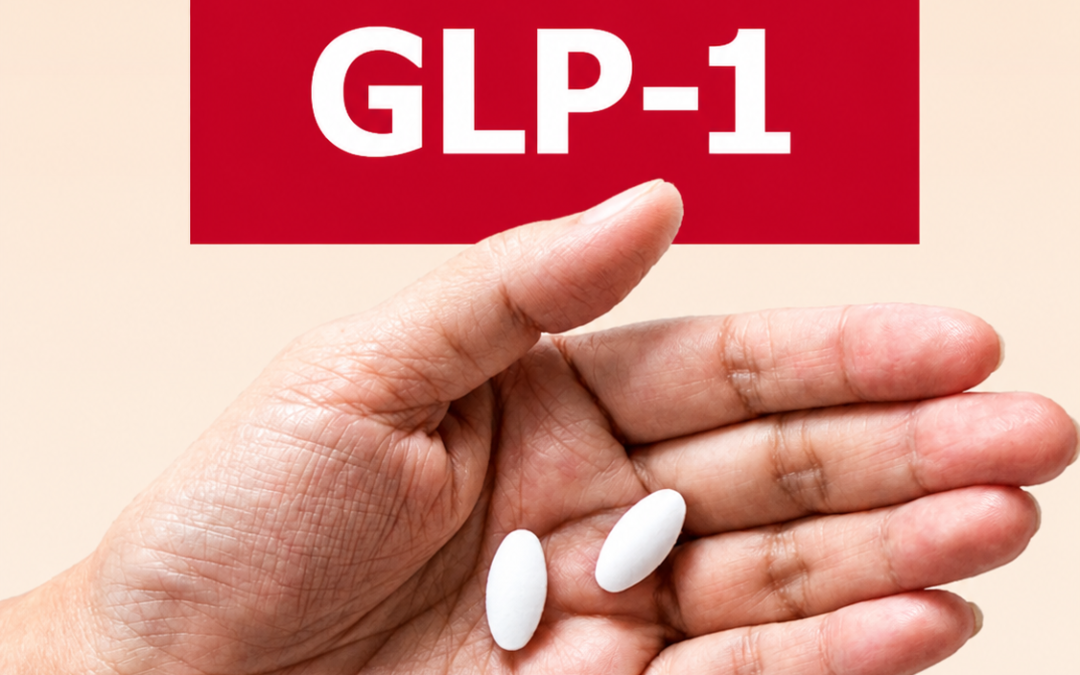
Whenever a fad medicine comes out, my health antennas go up. Why? Because I want to know the efficacy and the potential side effects. More importantly, is there a natural option to the medication that may be overall more beneficial without side effects? When it comes to GLP-1 medication, it mimics our natural GLP-1 hormone. The real question is: are you doing everything you can to stimulate the natural hormone?
Is GLP-1 medication the answer? The truth is that everyone has different health needs. I can confidently say that if it is the encouragement to get one’s health back on track because of quick results, then that is a good way to utilize it. However, if someone is going to continue to partake in the same poor health habits and solely rely on a medication, then that is not the best way to navigate one’s wellness journey. The same goes for supplements. I always say that supplements are meant to supplement one’s wellness choices. I take everything into consideration when it comes to optimizing wellness.
What is GLP-1 medication? Glucagon-like peptide-1 (GLP-1) receptor agonists treat type 2 diabetes and obesity by mimicking the natural GLP-1 hormone. Glucagon is a hormone produced by the pancreas that raises blood sugar. GLP-1 acts on the central nervous system in the brain to decrease appetite, which promotes weight loss. It stimulates glucose-dependent insulin secretion, inhibits glucagon release, and delays gastric emptying. It also may have the benefit of lowering blood pressure.
What if you could support the GLP-1 hormone naturally? GLP-1 is a natural gut hormone released after meals that regulates blood sugar, slows stomach emptying, and induces the feeling of fullness. There is one type of nutrient that naturally does this, and it is fiber. Unfortunately, people have been eating less fiber, which is destroying gut health by starving cells. Fiber is the source of prebiotics that feed probiotics, which are the beneficial bacteria. There are particular strains of probiotics that promote the production of our GLP-1 hormone, such as Akkermansia and Bifidobacterium. Therefore, gut health is paramount to wellness and should be supported whether or not you are taking GLP-1 medication.
Another way to boost the GLP-1 hormone is to eat while practicing mindfulness. The simple act of eating in a relaxed state supports your parasympathetic nervous system, which is when your “rest and digest” pathways support us. Consistent physical activity also helps to promote the GLP-1 hormone. Staying active supports your lymphatic and cardiovascular systems, joint health, and mood.
Herbs such as berberine, curcumin, ginseng, EGCG, cinnamon, bitter melon, and ginger also help to naturally promote the GLP-1 hormone. It’s best to pick specific herbs that have multiple mechanisms of action. For example, if someone suffers from chronic inflammation and poor digestion, then ginger would address all three issues and may be most beneficial.
There really is not one quick fix when it comes to optimizing health because it is important to take into consideration the person as a whole. That’s what naturopathic medicine can accomplish. When you get to the root cause and address it naturally, the benefits come from deep within your cells. If you want to feel good from the inside out, give us a call to kickstart your wellness goals!
This article was featured on: et week media